A Working Chronology of Northern Coast Lights
Read the timeline as a sequence of changing needs: early navigation beacons, engineered expansion, modernized operation, and preservation efforts that keep these towers legible in the present.
HISTORICAL ERAS
Eras of Light Along the Northern Coast
A concise timeline of how coastal navigation evolved — from early volunteer lamps to preserved towers interpreted today.
-
Era 1 · 1780s–1830s
Harbor Lamps and Volunteer Keepers
The first lights were modest beacons near busy harbor mouths, tended by local crews. Their purpose was practical: mark shoals, guide winter arrivals, and reduce wrecks at the coast’s narrow inlets.
-
Era 2 · 1840s–1890s
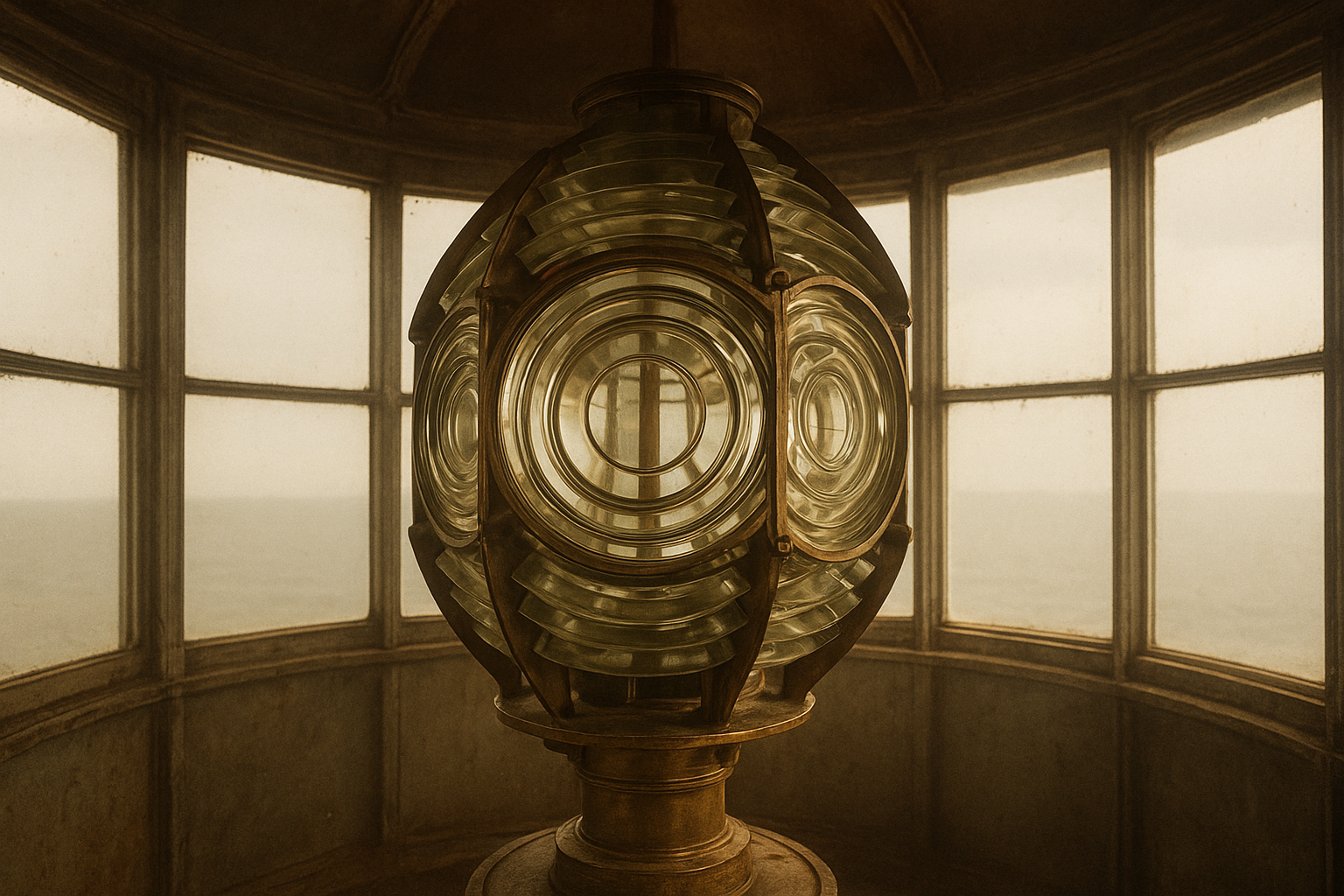
Stone Towers and Fresnel Precision
State-backed construction introduced taller masonry towers and rotating Fresnel lenses. Standardized signals made long-distance routes safer and connected remote ports to regular maritime schedules.
-
Era 3 · 1900s–1960s
Radio Navigation and Coastal Modernization
Lighthouse stations adapted to fog signals, radio reporting, and improved weather services. Keepers balanced traditional lamp work with newer communication duties as shipping technology advanced.
-
Era 4 · 1970s–Today
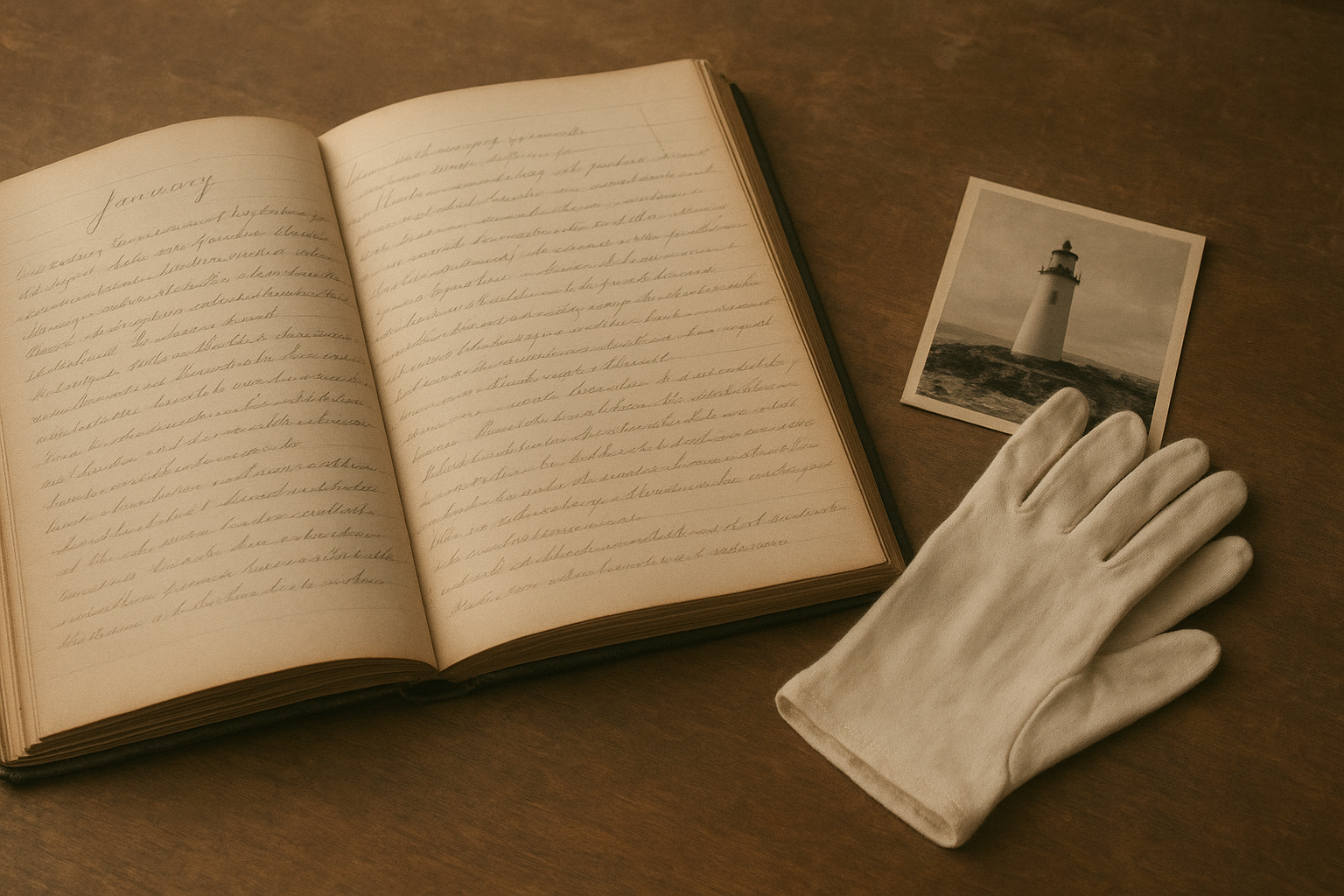
Preservation, Archives, and Public Memory
Automation reduced resident staffing, but local historians and trusts preserved towers, logbooks, and photographs. The coast’s lights now guide heritage travelers as much as vessels.